
Echoes of Originality: NYT Parts Ways with Freelancer as AI’s Copycat Clang Raises Ethical Alarms
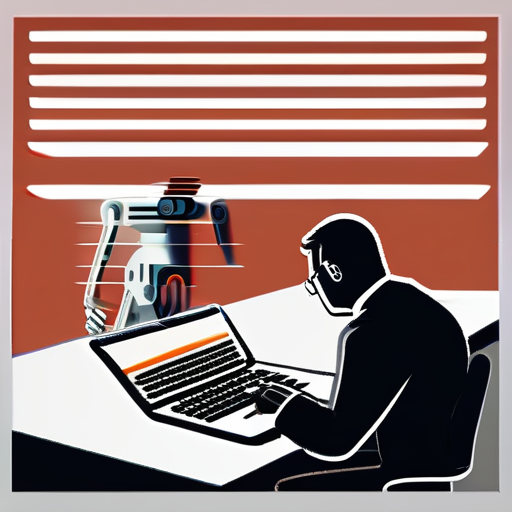

NEW YORK, NY – In a world increasingly enchanted by the dazzling promise of artificial intelligence, a recent development sends a stark reminder of the ethical tightrope we walk when merging human creativity with algorithmic assistance. The New York Times, a bastion of journalistic integrity, has reportedly parted ways with a freelancer after discovering their AI tool plagiarized significant portions from an existing book review. This isn’t just a news item; it’s a critical moment for creators, publishers, and anyone grappling with the rapidly evolving landscape of AI.
The incident, first highlighted by the-decoder.com, casts a long shadow over the unbridled adoption of AI in content creation. Imagine the scene: a freelancer, perhaps under immense pressure to deliver, turns to an AI tool, hoping to streamline their writing process. The tool, in its vast digital trawling, ‘learns’ – or rather, copies – from an existing piece, seamlessly weaving borrowed phrases and ideas into what should have been original work. The result? A digital echo, not a unique voice, leading to a direct breach of one of journalism’s most sacred tenets: originality and attribution.
This isn’t merely a technical glitch; it’s an ethical earthquake. For the freelancer, it’s a career-altering blow, a painful lesson in the crucial need for rigorous human oversight, even when working with the most sophisticated AI. For The New York Times, it’s a testament to their unwavering commitment to accuracy and integrity, underscoring that the pursuit of truth and authenticity remains paramount, even in the face of technological temptation. Their swift action sends a clear message: the credibility of their brand, built over generations, is non-negotiable.
But let’s pause and consider the broader implications. This episode resonates deeply with anyone working in a creative field. The allure of AI is powerful – the promise of efficiency, speed, and boundless content generation. Yet, as this incident starkly demonstrates, this power comes with profound responsibilities. It forces us to ask: What happens when our digital assistants start borrowing a little too liberally? How do we safeguard intellectual property in an age where algorithms can mimic, replicate, and reproduce with frightening ease?
This event serves not as a condemnation of AI itself, but as a powerful rallying cry for ethical AI development and deployment. It’s an inspiring call for creators to double down on the very qualities that make human intelligence irreplaceable: critical thinking, original insight, empathy, and an unwavering commitment to truth. AI can be a magnificent co-pilot, enhancing our capabilities, but it can never truly replace the human navigator’s moral compass and creative soul. Our unique perspectives, lived experiences, and ethical judgments are the bedrock upon which genuine creativity is built.
The path forward requires vigilance, clear guidelines, and a renewed emphasis on the irreplaceable value of human ingenuity and integrity. Publishers and media organizations must establish robust protocols for AI use, ensuring that every piece of content, regardless of its creation method, adheres to the highest standards of originality and ethical sourcing. This incident is a wake-up call, urging us to consciously curate a future where innovation and integrity coexist, where technology empowers without compromising the very essence of human trust and creativity.