
Maximizing User Experience: The Impact of UI on UX
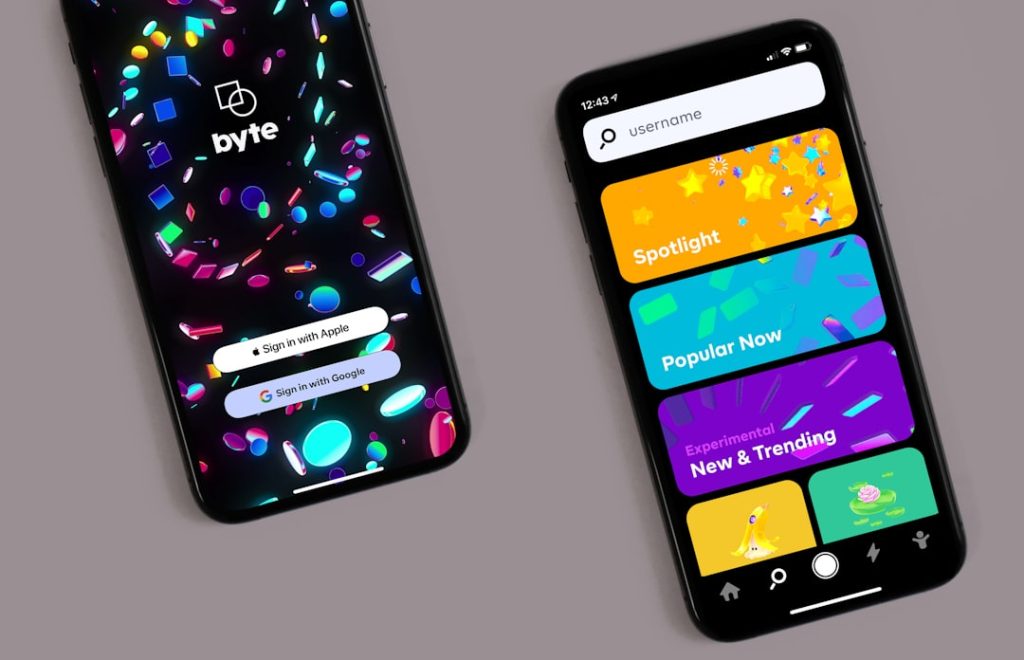

UI & UX Interaction: Creating Outstanding Digital Experiences When you explore the realm of digital design, you frequently come across the terms User Interface (UI) and User Experience (UX). Even though they are commonly used interchangeably, it is essential to comprehend their different functions in order to produce successful digital products. The term user interface (UI) describes the visual components—such as buttons, icons, and layout—that users interact with.
Key Takeaways
- UI and UX are closely related, with UI focusing on the look and feel of a product and UX focusing on the overall user experience.
- Intuitive and user-friendly design is crucial for ensuring that users can easily navigate and interact with a product.
- Visual hierarchy plays a key role in guiding users through a product and enhancing their overall experience.
- Consistency and cohesiveness in UI/UX design help to create a seamless and familiar experience for users.
- Incorporating feedback and iteration is essential for continuously improving UI/UX design and meeting user needs.
- User engagement and satisfaction are important metrics for measuring the success of UI/UX design.
It concerns the appearance & usability of these elements, making sure they are aesthetically pleasing and intuitive. Conversely, user experience (UX) refers to the totality of a user’s interactions with a product or service. To create a smooth experience from beginning to end, it entails comprehending user needs, behaviors, and emotions. UI & UX are interdependent, as you will discover as you continue to investigate this relationship.
Users may be drawn in by a beautifully designed user interface (UI), but they are likely to leave your product if the user experience (UX) is confusing or frustrating. On the other hand, although a well-designed user experience can make up for a subpar interface, it is not a long-term fix. In order to be a great digital designer, you need to balance these two factors. You can increase retention rates and user satisfaction by doing this and fostering an atmosphere where people feel at ease & involved. The Influence of Intuitive Design.
An intuitive design anticipates the needs of the user and leads them through the process with ease. By presenting information in an orderly and understandable way, it reduces cognitive load and frees users from having to figure out how to use the interface. Beyond aesthetics, user-friendly design aims to create a seamless experience. Encouraging Users via Usability.
| Metrics | Value |
|---|---|
| Page Load Time | 3.2 seconds |
| Click-through Rate | 5% |
| Conversion Rate | 10% |
| Bounce Rate | 25% |
Making usability a top priority enables users to accomplish their objectives effectively. This may entail using well-known design patterns that users are already familiar with or presenting calls to action that are unambiguous & direct users toward the intended results. Making your product user-friendly and accessible increases user satisfaction & encourages loyalty. The advantages of designs that are easy to use.
When a platform values users’ time & effort, they are more likely to return, which eventually boosts engagement and conversions. One effective tool in the field of UI/UX design is visual hierarchy. It describes how elements are arranged to help users navigate the content & make it obvious how important they are. When designing your interface, think about how size, color, contrast, & placement can be used to prioritize different elements. For example, calls to action or important information can be highlighted with bolder colors or larger text, while secondary content can be presented in softer tones. By carefully utilizing visual hierarchy, users are able to rapidly determine what is most important.
Also, a strong visual hierarchy improves your design’s overall aesthetic appeal in addition to its usability. Users will find your interface easier to use and have a more pleasurable experience if you have a clear structure. Consider how you can make good use of whitespace; it can help divide sections and cut down on clutter, which makes it simpler for users to understand the content. You can create an environment where users feel guided rather than overwhelmed by carefully planning your content and using visual hierarchy. An essential component of good UI/UX design is consistency.
Users will feel more at ease with your interface if you keep everything consistent, including button styles, color schemes, and typography. This familiarity increases confidence in your product. Imagine being confused and unsure of what to do if you were on a website where every page had a completely different appearance. You can create a seamless experience that promotes exploration by making sure that your design elements are consistent throughout the user journey.
Beyond just visual components, coherence also refers to the voice and tone of your content. The user experience is improved when your messaging makes sense to your target audience and is consistent with your brand identity. You want consumers to connect with your brand on a cognitive, emotional, and visual level. Users will feel more at ease interacting with your product if you prioritize coherence and consistency in your UI/UX design, which will ultimately increase user satisfaction and loyalty.
Feedback is extremely valuable in the constantly changing field of digital design. Actively solicit user feedback as you develop your product via surveys, usability testing, or face-to-face conversations. This input sheds light on what is effective and what requires development.
Some features might be unclear to you, or users might suggest improvements that you hadn’t thought of. By implementing this input into your design process, you show that you are dedicated to fulfilling user requirements. Iteration is just as crucial for improving your UI/UX design. Accept that there is always room for improvement and don’t consider your first design to be final.
Review your product frequently to find areas for improvement based on analytics data and user feedback. This iterative process guarantees that your product stays relevant and useful over time by enabling you to adjust to shifting user preferences and technological developments. Creating a culture of constant improvement not only increases user satisfaction but also establishes you as a progressive designer who respects user feedback. Ultimately, metrics related to user satisfaction and engagement can be used to gauge how well your UI/UX design is working.
Analyzing user behavior on your platform, such as click-through rates, conversion rates, & time spent on pages, gives you important information about how well your design works for users. High levels of engagement frequently suggest that customers value your product and are prepared to devote time to it. Also, user satisfaction surveys can offer firsthand information about how customers feel about using your product. You can determine whether your design is successful by asking questions about usability, aesthetic appeal, and general satisfaction. By routinely tracking these metrics & modifying your strategy in response to results, you establish a feedback loop that propels ongoing enhancements to your UI/UX design.
After all, customers are more likely to stick with your brand if they are happy and engaged with their experience. Finally, in order to create outstanding digital experiences, it is critical to comprehend the complex relationship between UI and UX. You can create products that connect with users on several levels by emphasizing intuitive design, making good use of visual hierarchy, keeping consistency, incorporating feedback for iteration, & tracking success with engagement metrics. Creating an environment where users feel empowered and appreciated is the ultimate goal as you set out on this journey of design excellence.
This will help users build enduring relationships with your brand.
If you are interested in learning more about the differences between UI and UX design, you may also want to check out this article on The Ultimate Guide to Website Components. This comprehensive guide delves into the various elements that make up a website and how they contribute to the overall user experience. Understanding these components can help you create a more user-friendly and visually appealing website that enhances both UI and UX design.
FAQs
What is UI and UX?
UI stands for User Interface, which refers to the visual elements of a product or system, such as buttons, icons, and layout. UX stands for User Experience, which encompasses the overall experience a user has with a product, including how easy it is to use and how enjoyable the experience is.
What is the difference between ui v ux?
The main difference between UI and UX is that UI focuses on the visual and interactive elements of a product, while UX focuses on the overall experience and usability of the product.
Why are UI and UX important?
UI and UX are important because they directly impact how users interact with a product. A well-designed UI can make a product visually appealing and easy to navigate, while a good UX ensures that the overall experience is intuitive and enjoyable for the user.
How do UI and UX work together?
UI and UX work together to create a seamless and enjoyable experience for the user. A well-designed UI can enhance the overall UX by making the product visually appealing and easy to navigate, while a good UX ensures that the user’s needs are met and the product is easy to use.
What are some examples of UI and UX in everyday life?
Examples of UI and UX in everyday life include websites, mobile apps, and software interfaces. A well-designed website with intuitive navigation and visually appealing elements demonstrates good UI and UX, while a poorly designed website with confusing layout and difficult navigation showcases the importance of good UI and UX design.
